

Cindy Ariel and Robert Naseef
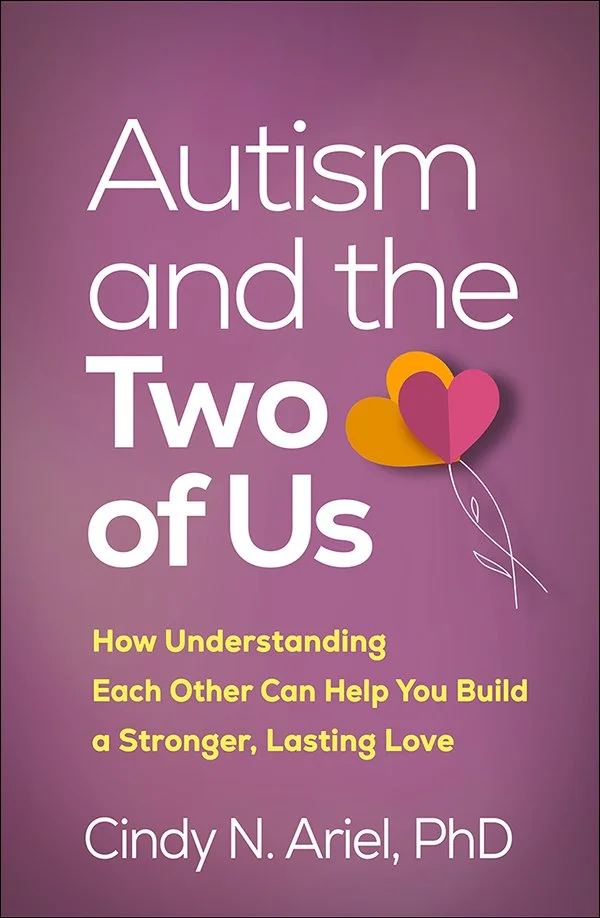
Book Cover of Autism and the Two of Us
Since 1990, Alternative Choices has been an independent psychology practice with a team of experienced, licensed psychologists and psychotherapists. Our mission is to build authentic therapeutic partnerships to bring about change, healing, and growth for adults, including those who are neurodivergent or autistic. Treatment and evaluation strategies are tailored to address each person's unique needs in a safe confidential space for individuals to explore their thoughts and feelings without fear of judgment or disclosure. This can allow you to gain insight and understanding of your emotions and behaviors and can lead to reduced symptoms of anxiety, depression, and other mental health conditions, such as trauma.
Psychotherapy can help to improve communication, problem-solving, and healthy relationship skills with family, friends, and partners. Therapists also teach effective coping mechanisms to manage stress, anxiety, and other challenges. Our practice uses techniques such as mindfulness, relaxation exercises, insight, and cognitive restructuring. We start where people are and accept their differences. We are neurodiverse affirming in our approach. We are in very few insurance networks, so if you have questions, contact us and let us know your insurance carrier.
Are You Wondering About a Diagnosis?
We have a specialty in helping families of children with autism and other special needs in accepting their child’s condition and developing coping strategies for families. We also have a specialty in the diagnosis of adult autism. If you are an adult who recognizes you have traits of the spectrum but are unsure what to do or if your child was diagnosed and you wonder about yourself, then an evaluation may be helpful.
A formal diagnosis can provide a framework for understanding why certain behaviors and difficulties have been present throughout your life. This can lead to self-acceptance and self-compassion. The diagnosis can also open doors to support services, including therapy, counseling, including tailored interventions for sensory sensitivities, social skills, and emotional regulation.
Were You Already Diagnosed with ADHD?
Many individuals find that ADHD explains some but not all of their challenges. AuDHD is an unofficial term that describes a person diagnosed with both autism and ADHD. Both can affect a person's behavior, social interaction, and communication. Research indicates that 50% to 70% of autistic individuals also meet the criteria for ADHD, and an estimated 20% to 50% of people with ADHD also meet criteria for autism. The symptoms overlap and create a challenging internal "tug-of-war", as the brain manages opposing needs—such as craving novelty (ADHD) while simultaneously needing rigid routine (autism). This leads to intensified executive dysfunction, making it challenging to start tasks, switch between activities, finish projects, or manage time efficiently. Individuals may also experience heightened sensory overload, burnout, and complex emotional regulation difficulties.
Are You Exhausted from Masking Your Struggles?
Masking is a survival strategy that helps autistic individuals suppress their natural traits to appear neurotypical. This includes limiting some characteristics, such as fidgeting, mimicking or imitating social skills, and scripting conversations to fit in. While used effectively for social conformity, it is mentally exhausting and associated with high rates of anxiety, depression, and burnout. Women are pressured socially to be agreeable and graceful which makes masking more prevalent and necessary leading to late or missed diagnosis. For women and men alike, masking hinders self-acceptance and compassion, making it difficult to form deep connections.
If you are interested in a diagnostic evaluation, contact us here.





Dr. Cindy Ariel’s new book is now available to preorder from Guilford Press. Accepting each other's differences is important for all couples—especially when one partner is Autistic and the other is not. Psychologist Cindy N. Ariel has spent decades counseling neurodiverse couples. In this compassionate book, she offers vital insights and strategies to help your relationship thrive. Dr. Ariel guides you to understand how Autistic and neurotypical brains work differently and find solutions to common struggles, emphasizing that nothing is “wrong” with either of you. From managing household routines and money to navigating one another's wants and needs about socializing, parenting, hobbies, sex and intimacy, and much more, clear and loving communication is key. Every chapter includes vivid stories, self-reflection questions, conversation starters, and action plans to build connection. You and your partner can keep exploring, creating, and sustaining the relationship you envision.
Dr. Ariel is widely recognized for her work with couples in neurodiverse relationships. She combines clinical insight with compassion and advocacy to promote understanding, acceptance, and the celebration of diversity, including through a neurodiverse affirming lens. In this sense, Autism and the Two of Us: How Understanding Each Other Can Help you Build a Stronger, Lasting Love breaks new ground because Dr. Ariel shows couples how.
Check out these reviews:
“A much-needed resource for couples navigating a neurodiverse relationship. With warmth and respect for both partners, Dr. Ariel emphasizes that neurodiversity is a natural variation in how people are wired—and the most common brain wiring is not inherently correct. This book shows how neurology shapes communication, empathy, intimacy, and connection, and helps you apply these insights to your own relationship, translating knowledge into meaningful change.”
— Jodi Carlton, MEd, neurodiverse relationship expert; host, Your Neurodiverse Relationship podcast
“Dr. Ariel has gifted the Autistic community and the rest of humanity with vital keys to greater mutual understanding. Neurodiverse couples now have a solid, helpful guide with practical, easy-to-implement steps for enriching their relationships.”
— Stephen Shore, EdD, Ruth S. Ammon School of Education, Adelphi University; Autistic educator, presenter, and consultant
“This book is essential reading for any couple looking to connect on a deeper level when your brains are wired a bit differently from one another. Dr. Ariel helps both of you challenge your assumptions about what is 'normal' in a relationship—so you can redefine what truly works for your own unique partnership.”
— Liz Greenfield, PhD, private practice, Greenfield Speech and Psychological Services, Atlanta

Couple walking toegether
Can you use a new perspective and help in your relationship?
Consider setting up a consultation with Dr. Cindy Ariel.